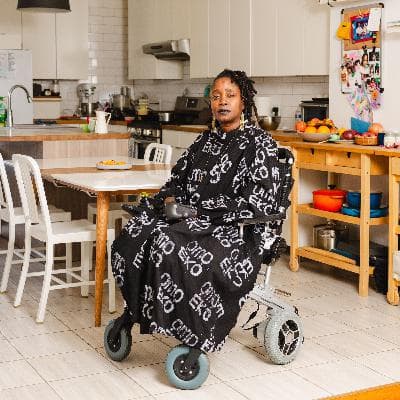
After Losing Her Limbs, Our Cooking Columnist Returns to the Kitchen
For decades, the kitchen was the centerpiece of Yewande Komolafe’s life. She spent long hours there, first as a restaurant cook and later as a recipe developer. But though she loved the often-intense culinary world, she had to navigate it with certain limitations: She was born with sickle cell disease, an inherited blood disorder, which required her to carefully manage her working life. She did so successfully, becoming a celebrated cookbook author and food writer for The Times. A medical crisis in December 2023 changed all of that. Komolafe ended up in a coma for six weeks, and after emerging learned that both her legs and her fingers would need to be amputated. In this episode of “The Sunday Daily,” Komolafe tells Rachel Abrams about what happened and how, after everything, she made her way back into the kitchen. On Today’s Episode: Yewande Komolafe is a cooking columnist for The New York Times. Background Reading: How Losing My Limbs Turned Me Into a Different Kind of Cook The Chef Imagining a More Accessible World, One Meal at a Time Photo credit: Lanna Apisukh. Subscribe today at nytimes.com/podcasts or on Apple Podcasts and Spotify. You can also subscribe via your favorite podcast app here https://www.nytimes.com/activate-access/audio?source=podcatcher. For more podcasts and narrated articles, download The New York Times app at nytimes.com/app. Hosted by Simplecast, an AdsWizz company. See pcm.adswizz.com for information about our collection and use of personal data for advertising.
۰:۰۰ / ۳۴:۱۳صوتی
صف پخش
- در حال پخش: After Losing Her Limbs, Our Cooking Columnist Returns to the Kitchen
- بعدی: The Fight Tearing Apart Silicon Valley
- بعدی: Europe Is Burning
- بعدی: Israel, AIPAC and Difficult Questions for Democrats
- بعدی: The Iranians Who Want More War
- بعدی: What A.I. Is Actually Doing to the Economy
گزارش مشکل فایل
اگر پخش یا دانلود این قسمت خراب است، به مدیر اطلاع دهید.
قسمتهای بعدی
Europe Is Burning
This summer, wildfires have been raging across Europe. France and Spain have been hit particularly badly, with hundreds of thousands of acres incinerated and entire communities devastated. Chico Harlan, the global…
Israel, AIPAC and Difficult Questions for Democrats
The American Israel Public Affairs Committee, a pro-Israel lobbying group known as AIPAC, has spent a record amount of money in this year’s midterm elections to either oust or support candidates based on their support…
The Iranians Who Want More War
Fractures in Tehran are pitting a faction favoring negotiation with Washington against hard-liners who oppose making a deal with the United States. Guest: Abdi Latif Dahir, a Middle East correspondent for The New York…
What A.I. Is Actually Doing to the Economy
As artificial intelligence becomes more advanced, people are getting more nervous about how it could change the economy and their jobs. Ben Casselman, the chief economics correspondent for The New York Times, explains…
Why Do Some Memories Survive Dementia?
When the Times reporter Ellen Barry’s father developed dementia after a fall, her family spent years trying to manage his erratic behavior and confusion. They struggled to convince him that he was home, he was safe, and…